Pipeline
From Platform to Patient
Built to make a difference.
The Challenge
Millions of patients. No reliable answer.
China has an estimated 330 million patients with some form of cardiovascular disease. This number is growing as the population ages and lifestyle patterns shift.1
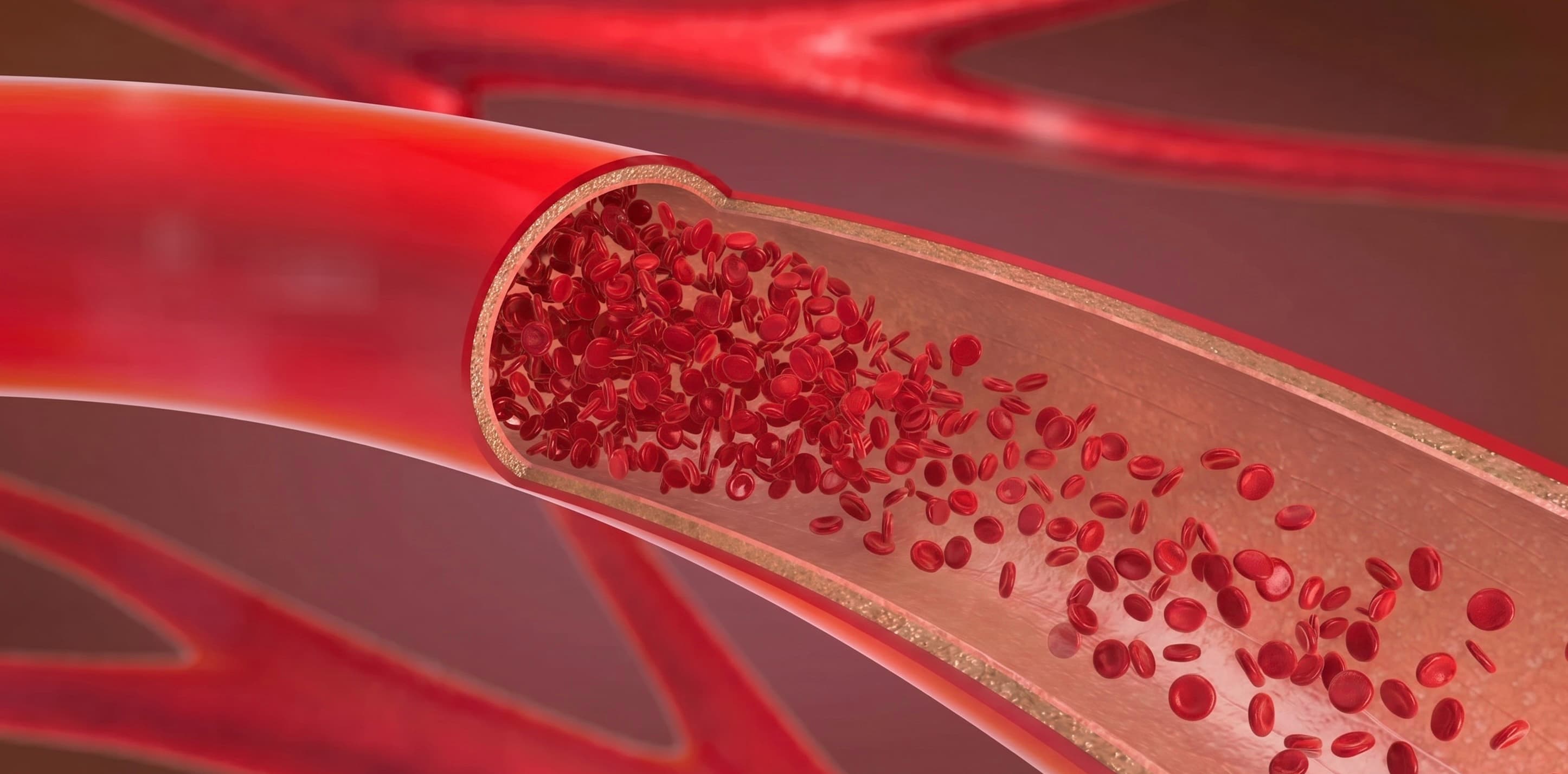
When a blood vessel fails and must be replaced, existing solutions fall short.
For implantation, the body rejects what it doesn’t recognize.
Synthetic polymer vascular grafts are prone to occluding at small diameters (<6mm).
Autologous veins are unavailable in up to 40% of patients who need them.2
Next Generation Solution
Tissue-Engineered Blood Vessels
Our graft is grown from human cells and designed for the vascular applications where biocompatibility matters most.
Haemodialysis Access
0K
patients on haemodialysis3
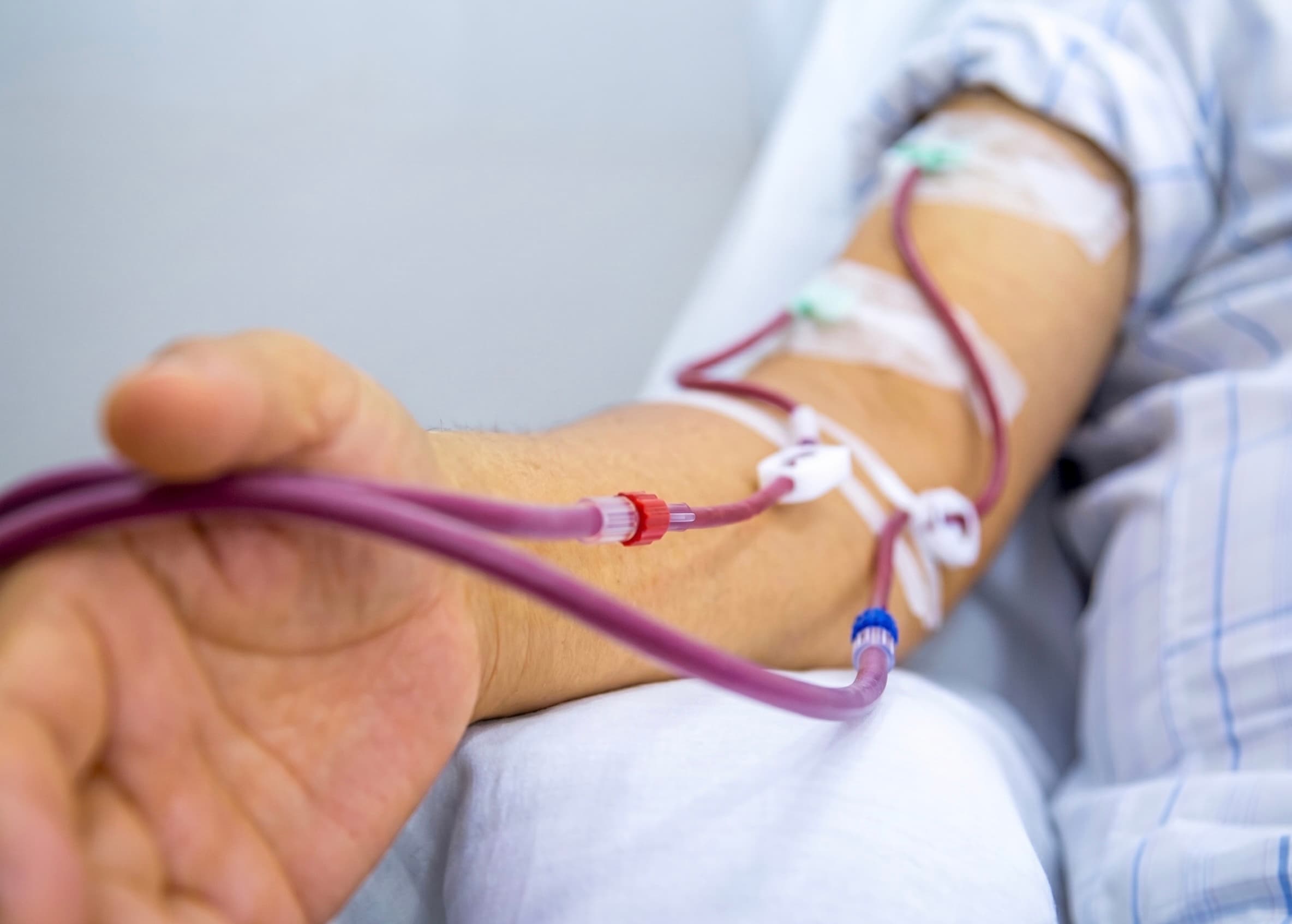
A number that has more than tripled in a decade. Each requires reliable vascular access. Native AV fistulas don’t always mature. Current synthetic grafts carry high rates of thrombosis and infection.
Peripheral Arterial Disease
0.3M
patients in China with PAD4
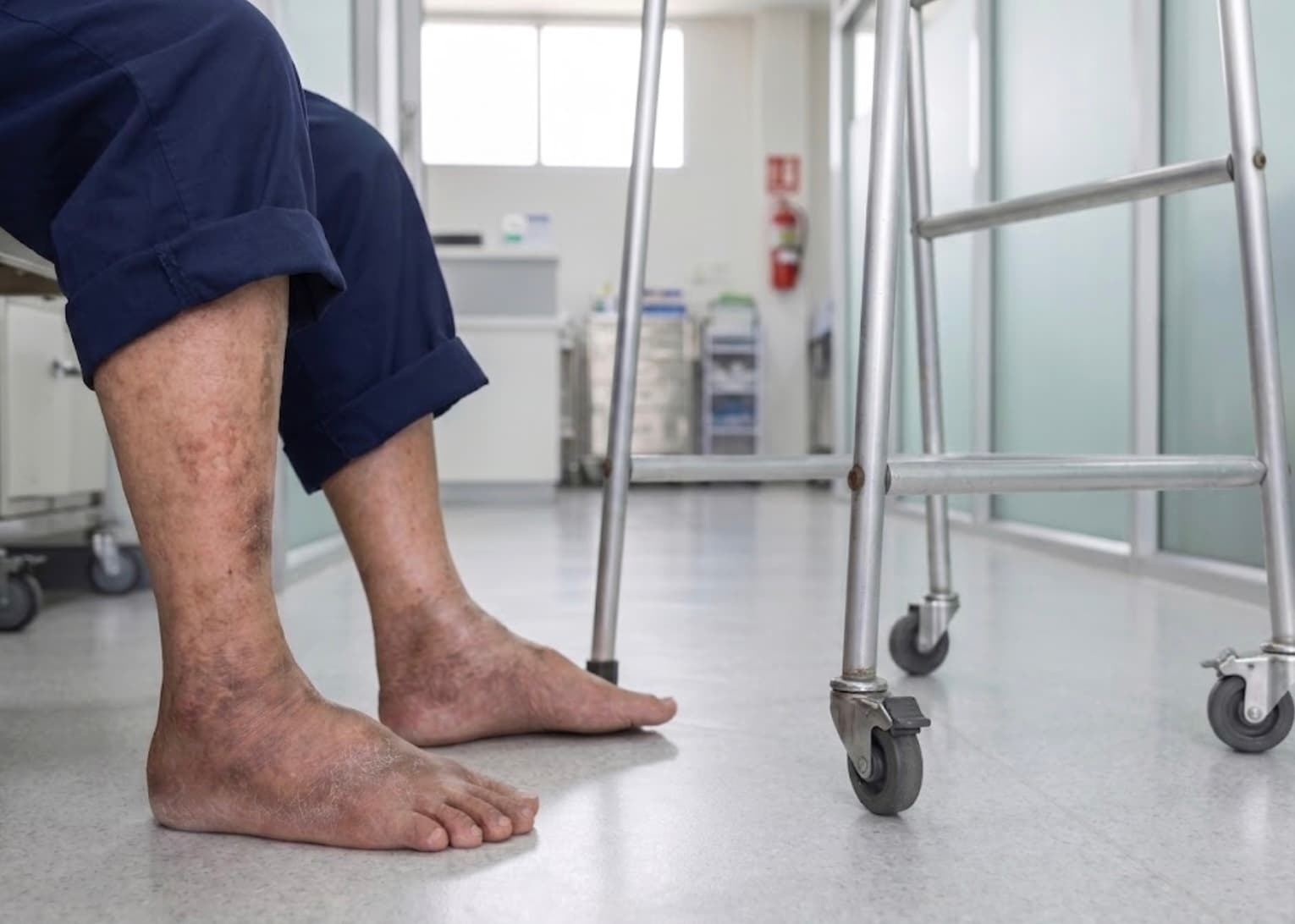
Below-knee bypass requires a small-diameter graft. For many patients, suitable veins for autologous grafting are unavailable. Our graft offers a biocompatible alternative.
Vascular Trauma
#9
cause of death in under-45s5
When a vessel is damaged beyond repair, surgeons need a graft that resists infection in contaminated wounds. Synthetic grafts carry high failure rates. For patients, a human-origin graft with natural infection resistance could make the difference between life and limb.
Coronary Artery Bypass
0.4M
coronary heart disease cases1
Today, no synthetic graft is used in coronary bypass. This is the most demanding vascular application, and it requires a graft the body accepts as its own.
Competitive Landscape
Comparing the Approaches
Synthetics
Inert foreign body; not integrated
Manufactured at industrial scale
Elicits foreign body response
None — permanent implant
Animal-Derived
Biological signals present but with immune triggers
Dependent on animal tissue supply
Immunogenicity limits longevity and use cases
Partial — limited by immune interference
Tissue-Engineered
Mirrors native tissue composition; body integrates naturally
Bioreactor-produced; no donor tissue dependency
Non-immunogenic after decellularization
Provides structural support and regenerative cues for host cell remodeling
Future Directions
The Platform Grows With the Science
Four product families today. But the platform doesn’t stop here.
The same bioreactor system that produces vascular grafts can be adapted to cultivate other human-origin tissues. As our pipeline advances through clinical milestones, we’re exploring new tissue types the platform makes possible. Each new application builds on what already exists.

Sources
Figures are drawn from peer-reviewed literature and China’s National Center for Cardiovascular Diseases.
- 1.National Center for Cardiovascular Diseases. Report on Cardiovascular Health and Diseases in China 2023: An Updated Summary. Biomed Environ Sci. 2024;37(9):949–992.
- 2.Beckman JA, Schneider PA, Conte MS. Advances in Revascularization for Peripheral Artery Disease. Circ Res. 2021;128(12):1885–1912.
- 3.Chen T, et al. Care for end-stage kidney disease in China: progress, challenges, and recommendations. Lancet Reg Health West Pac. 2024;54:101268.
- 4.Wang Z, et al. A national study of the prevalence and risk factors associated with peripheral arterial disease from China: The China Hypertension Survey, 2012–2015. Int J Cardiol. 2019;275:165–170.
- 5.Zhang L, et al. Study on the Trend and Disease Burden of Injury Deaths in Chinese Population, 2004–2010. PLoS ONE. 2014;9(1):e85319.